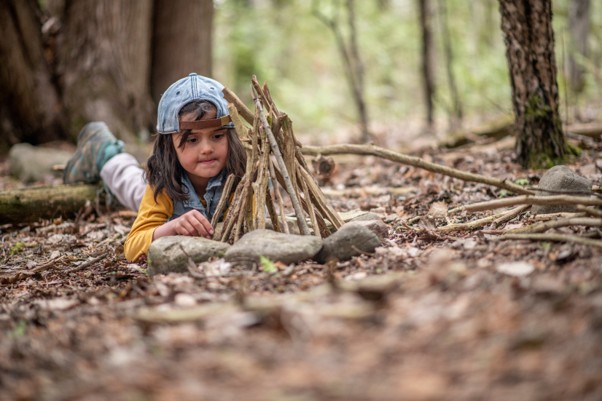

As winter fades and spring arrives, many parents notice a sudden shift in their child’s energy levels. Longer daylight hours, warmer weather, outdoor play, and changes in routine can all lead to increased excitement and restlessness. While this boost in energy is completely normal and often positive, it can sometimes make it harder for children to focus, listen, or settle down.
Helping children adjust to springtime energy in healthy ways supports emotional regulation, behavior, and overall well-being.
Why Spring Brings Big Energy for Kids
Springtime naturally encourages movement and exploration. Children may experience:
- Increased physical activity
- More stimulation from outdoor play and social interactions
- Changes in sleep due to longer daylight
- Excitement about new activities and routines
Because young children are still developing self-regulation skills, this surge in energy can sometimes appear as impulsivity, difficulty listening, or emotional outbursts.
Signs Your Child May Be Feeling Overstimulated
Children may show signs of springtime overload, such as:
- Difficulty sitting still or following directions
- Increased mood swings or frustration
- Trouble settling down for naps or bedtime
- Increased impulsive behavior
- Emotional meltdowns after busy days
Recognizing these signs helps parents respond with understanding rather than discipline alone.
Practical Ways to Help Children Manage Springtime Energy
1. Keep Daily Routines Consistent
Even as schedules become busier, predictable routines help children feel secure.
- Maintain consistent bedtimes and wake-up times
- Keep regular meal and snack schedules
- Use familiar morning and evening routines
Consistency provides structure during energetic seasons.
2. Balance Active Play with Calm Moments
Children need opportunities to release energy—but also time to reset.
- Encourage outdoor play, running, and movement
- Follow active time with calm activities like reading, drawing, or puzzles
- Use quiet time as a reset rather than a punishment
This balance supports emotional regulation.
3. Encourage Movement with Purpose
Purposeful movement helps children manage excitement.
- Obstacle courses
- Yoga or stretching
- Nature walks with observation tasks
- Dancing to music
These activities channel energy in positive ways.
4. Support Emotional Expression
Spring excitement can bring big emotions.
- Help children name their feelings
- Validate emotions before redirecting behavior
- Encourage expression through art, play, or conversation
Understanding emotions helps children calm themselves.
5. Adjust Sleep Routines as Needed
Longer daylight can affect sleep.
- Use blackout curtains if needed
- Maintain calming bedtime routines
- Avoid stimulating activities close to bedtime
Well-rested children are better able to manage energy and emotions.
Helping Children Focus During Busy Spring Days
Parents can support focus by:
- Breaking tasks into smaller steps
- Offering clear, simple instructions
- Providing movement breaks
- Setting realistic expectations
Short, achievable tasks help children stay engaged.
The Role of Nutrition in Managing Energy
Balanced meals and snacks help regulate energy levels.
- Include protein, whole grains, fruits, and vegetables
- Avoid excessive sugary snacks
- Encourage hydration throughout the day
Nutrition plays a key role in mood and attention.
Conclusion
Springtime energy is a wonderful sign of growth, curiosity, and excitement, but children often need guidance to manage it successfully. By maintaining routines, balancing activity with rest, supporting emotional expression, and meeting children’s physical needs, parents can help children enjoy the season while staying focused and regulated.
With patience and consistency, spring becomes a season of growth rather than overwhelm for both children and families.
At Southwest Academies, our caring teachers and structured programs help children channel their energy, build emotional regulation skills, and grow with confidence all season long. With four convenient locations in DeSoto and Lancaster, TX, there’s a Southwest Academies near you.
Find Your Nearest Location:
Forest Park Academy
First Step Learning Center
Park Ridge Academy
Berne Academy