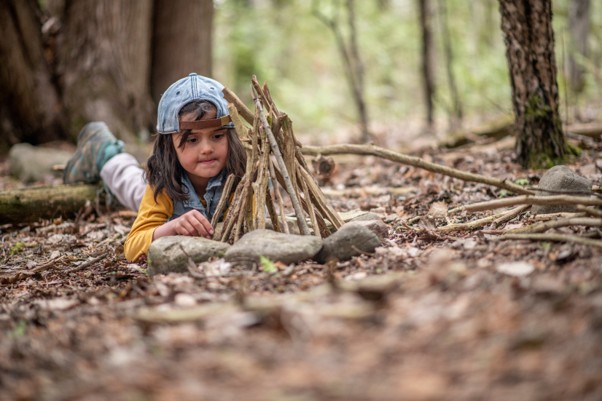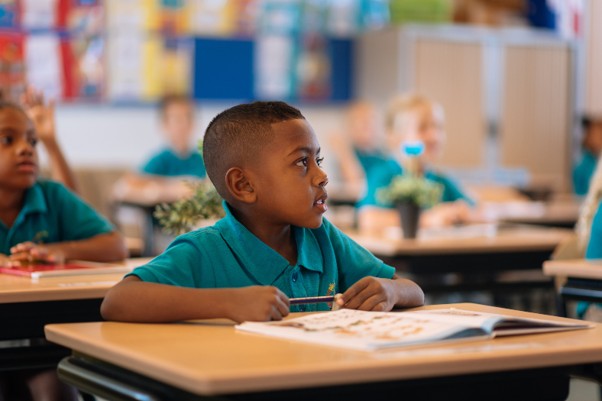
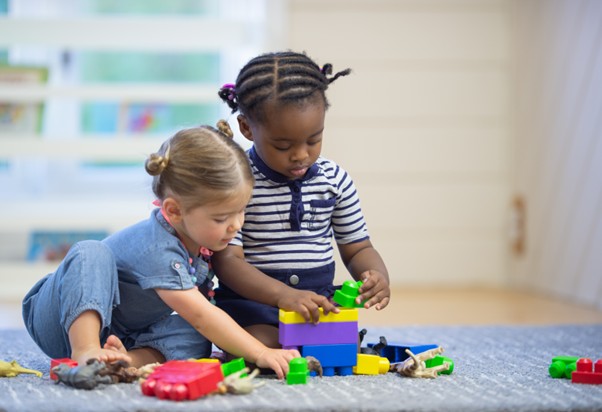
Friendships play an important role in a child’s early development. During the early years, children begin learning how to share, communicate, cooperate, and understand others’ feelings. While friendships at this age may look different from adult relationships, they lay the foundation for social skills, emotional well-being, and confidence that last a lifetime.
Parents and caregivers play a key role in guiding children as they learn how to build healthy, positive relationships.
Why Early Friendships Matter
Healthy friendships help children:
- Develop empathy and understanding
- Learn communication and cooperation
- Practice problem-solving and conflict resolution
- Build self-confidence and independence
- Feel a sense of belonging and security
Through friendships, children learn how to navigate emotions, express needs, and interact respectfully with others.
What Friendships Look Like in Early Childhood
Friendships in young children are often:
- Short-lived and activity-based
- Focused on play rather than conversation
- Flexible and constantly changing
It is normal for children to play together one moment and separately the next. These experiences are essential for learning how relationships work.
Skills Children Learn Through Friendship
1. Sharing and Turn-Taking
Children learn that others have needs and desires too. Sharing toys and taking turns help develop patience and cooperation.
2. Communication Skills
Friendships encourage children to express themselves using words, gestures, and facial expressions.
3. Emotional Awareness
Children begin to recognize their own emotions and those of others, developing empathy and compassion.
4. Problem-Solving
Disagreements are common—and helpful. Children learn how to resolve conflicts, ask for help, and compromise.
How Parents Can Encourage Healthy Friendships
1. Model Positive Social Behavior
Children learn by observing adults.
- Use kind language
- Show empathy and respect
- Demonstrate how to handle disagreements calmly
2. Encourage Play Opportunities
Provide chances for social interaction:
- Playdates
- Group activities
- Playground time
- Classroom interactions
These experiences help children practice social skills in real situations.
3. Teach Social Skills Explicitly
Young children benefit from guidance.
- Practice greeting others
- Role-play sharing and turn-taking
- Teach phrases like “Can I play with you?”
Simple language helps children navigate social situations.
4. Support, Don’t Force, Friendships
Not all children form friendships at the same pace.
- Allow children to choose playmates
- Avoid labeling “best friends” too early
- Respect children’s comfort levels
Healthy friendships develop naturally over time.
5. Help Children Navigate Conflict
Conflict is part of learning.
- Stay calm and neutral
- Help children express feelings
- Encourage problem-solving
- Step in when needed, but allow learning
These moments build resilience and communication skills.
Recognizing When a Child Needs Extra Support
Some children may need additional guidance if they:
- Struggle consistently with sharing or cooperation
- Withdraw from peers
- Show frequent frustration or aggression
Open communication between parents and caregivers helps support children’s social growth.
The Role of Childcare in Building Friendships
In childcare settings, children:
Consistent environments help children feel safe to explore friendships.
- Learn to interact with peers daily
- Practice group play and cooperation
- Build trust with caregivers
- Develop social routines and expectations
Encouraging healthy friendships in early childhood helps children develop essential life skills, emotional understanding, and confidence. With patience, modeling, and gentle guidance, parents and caregivers can support children as they learn to build positive relationships.
Friendships may begin with simple play, but they lay the groundwork for empathy, communication, and meaningful connections throughout life.
Give Your Child the Space to Learn, Grow, and Make Friends
At Southwest Academies, our nurturing classrooms are designed to help children develop social skills, build confidence, and form meaningful friendships every day. Our experienced teachers create environments where children feel safe to explore, play, and connect with their peers.
Find a Location Near You: