For children, the outdoors is much more than a place to run and play—it’s a natural classroom filled with opportunities for discovery, creativity, and growth. Whether you have a large backyard, a small patio, or access to a local park, outdoor spaces can become valuable learning environments that support children’s development in meaningful and exciting ways.
As technology continues to become a larger part of daily life, spending time outdoors offers children the chance to engage their senses, explore their surroundings, and learn through hands-on experiences. Backyard adventures encourage curiosity, promote healthy physical activity, and help children develop important academic, social, and emotional skills.
Why Outdoor Learning Is Important
Children are naturally curious. They learn best when they can explore, experiment, and interact with the world around them. Outdoor learning provides experiences that are difficult to replicate indoors.
Benefits of outdoor learning include:
- Improved physical health and fitness
- Increased creativity and imagination
- Stronger problem-solving skills
- Enhanced concentration and focus
- Improved social skills
- Greater confidence and independence
- Reduced stress and anxiety
- Increased appreciation for nature and the environment
When children are encouraged to learn outdoors, education becomes an adventure rather than a task.
Turning Your Backyard Into a Learning Space
You don’t need expensive equipment to create an engaging outdoor learning environment. Many of the best learning opportunities come from simple materials and natural surroundings.
Consider including:
- Sidewalk chalk
- Buckets and containers
- Magnifying glasses
- Gardening tools
- Measuring tapes
- Nature journals
- Balls and sports equipment
- Art supplies
- Building materials
The goal is to create opportunities for exploration, experimentation, and creativity.
Becoming Backyard Scientists
Nature is one of the best science teachers available.
Encourage children to observe and investigate the world around them by asking questions such as:
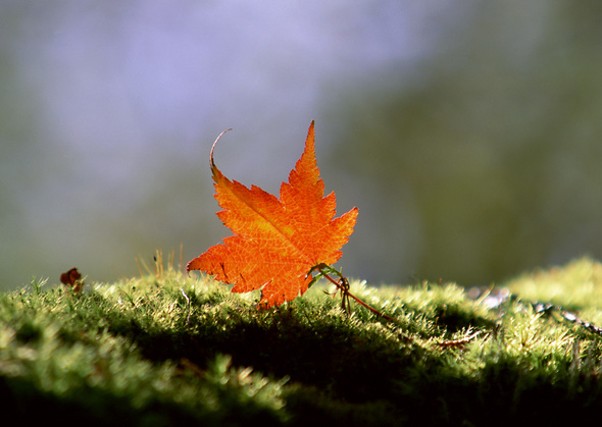
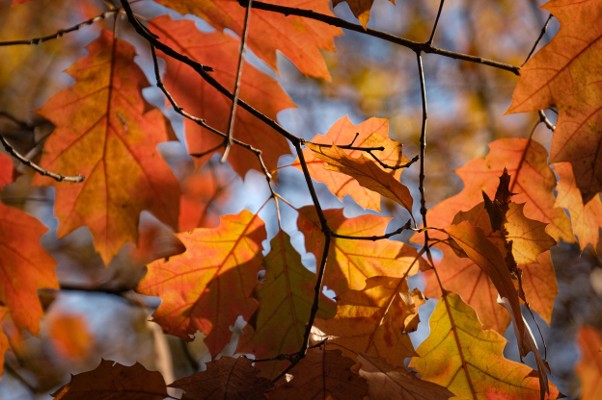
- Why do leaves change color?
- What insects live in our yard?
- How do plants grow?
- Why do some objects float while others sink?
Simple science activities can include:
Insect Investigations
Provide a magnifying glass and encourage children to observe ants, butterflies, ladybugs, and other insects.
Discuss:
- Body parts
- Movement
- Habitats
- Food sources
Weather Tracking
Create a weather chart where children record:
- Temperature
- Sunshine
- Rainfall
- Wind conditions
- Cloud types
This helps children understand weather patterns and scientific observation.
Plant Experiments
Grow flowers, vegetables, or herbs and track their growth over time.
Children can:
- Measure plant height
- Count leaves
- Observe root growth
- Record changes in a journal
Bringing Math Outdoors
Many everyday outdoor activities naturally incorporate math skills.
Nature Counting
Count:
- Flowers
- Birds
- Bugs
- Leaves
- Pinecones
Measuring Activities
Use rulers or measuring tapes to:
- Measure plant growth
- Compare leaf sizes
- Measure jumping distances
- Track shadow lengths
Pattern Hunts
Ask children to identify patterns in:
- Leaves
- Flowers
- Rocks
- Animal tracks
These activities strengthen early math concepts while keeping learning fun.
Encouraging Literacy Through Nature
Outdoor learning can support reading and writing development in exciting ways.
Nature Journals
Encourage children to:
- Draw what they see
- Write observations
- Record questions
- Describe weather conditions
Outdoor Reading Time
Take books outside and read under a tree or on a blanket.
Choose books related to:
- Nature
- Animals
- Seasons
- Gardening
Storytelling Adventures
Ask children to create stories inspired by their surroundings.
Examples include:
- A butterfly’s journey
- An adventure in the garden
- A squirrel preparing for winter
These activities strengthen vocabulary, comprehension, and creativity.
Art Inspired by Nature
Nature provides endless inspiration for creative projects.
Leaf Art
Collect leaves and create:
- Collages
- Leaf rubbings
- Nature prints
Rock Painting
Paint rocks with:
- Animals
- Patterns
- Positive messages
Nature Sculptures
Use sticks, leaves, flowers, and stones to build unique creations.
Art activities help children develop fine motor skills while expressing creativity.
Building Gross Motor Skills Outdoors
Outdoor environments encourage movement and physical development.
Try activities such as:
Obstacle Courses
Include:
- Jumping
- Crawling
- Balancing
- Running
Scavenger Hunts
Create lists of items children must find.
This promotes:
- Observation
- Movement
- Problem-solving
Sports and Games
Simple games like:
- Soccer
- Tag
- Relay races
- Catch
Help build coordination and teamwork.
Gardening as a Learning Tool
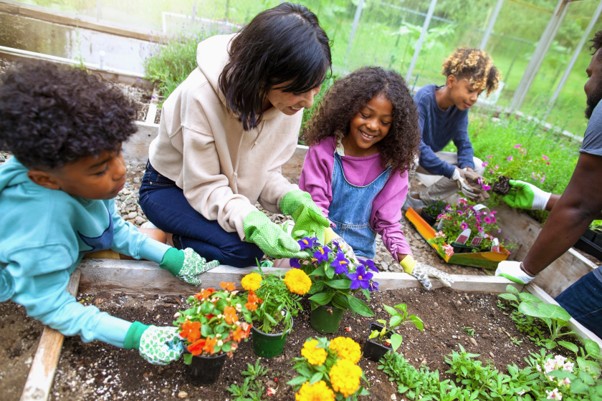
Gardening teaches valuable life lessons while introducing children to science and responsibility.
Children can help:
- Plant seeds
- Water plants
- Remove weeds
- Harvest vegetables
Gardening teaches:
- Patience
- Responsibility
- Healthy eating habits
- Environmental awareness
Children are often more willing to try fruits and vegetables they helped grow themselves.
Learning About Wildlife
Backyards can become exciting wildlife observation stations.
Look for:
- Birds
- Butterflies
- Squirrels
- Bees
- Frogs
Discuss:
- Habitats
- Food chains
- Life cycles
- Animal behaviors
Bird feeders and butterfly gardens can attract additional wildlife and create ongoing learning opportunities.
Teaching Environmental Responsibility
Outdoor learning is the perfect opportunity to teach children how to care for the planet.
Discuss:
- Recycling
- Conserving water
- Protecting wildlife
- Reducing litter
- Planting trees and flowers
These lessons help children understand that their actions can positively impact the environment.
Making Outdoor Learning a Family Activity
Learning becomes even more meaningful when families participate together.
Ideas include:
- Family nature walks
- Gardening projects
- Outdoor picnics
- Stargazing nights
- Nature photography challenges
- Backyard camping experiences
These activities create lasting memories while encouraging family bonding.
Outdoor spaces offer endless opportunities for learning, creativity, and exploration. By turning your backyard into a learning environment, you can help your child develop important academic, social, emotional, and physical skills while fostering a lifelong love of nature.
The best part is that outdoor learning doesn’t require expensive materials or complicated plans. Sometimes the greatest lessons come from digging in the dirt, watching a butterfly, planting a seed, or simply asking questions about the world around us.
At Southwest Academies, we believe children learn best when they are encouraged to explore, discover, and engage with their environment. Backyard adventures provide the perfect opportunity to turn everyday moments into meaningful learning experiences that children will remember for years to come.
Ready to give your child a hands-on learning adventure? Contact us Southwest Academies to find a location near you
Find a Location Near You:
Forest Park Academy