
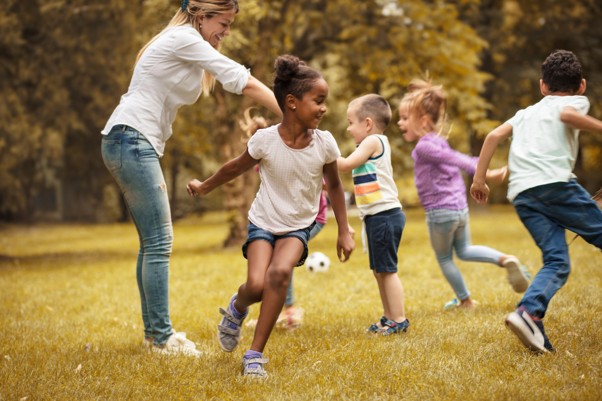
As children return to structured school routines filled with lessons, schedules, and classroom expectations, many parents naturally focus more on academics and educational goals. While classroom learning is incredibly important, one essential part of child development should never be overlooked during the school year: play.
Play is not simply a break from learning—it is one of the most powerful ways children learn. Even during busy school months, play continues to support children’s cognitive, social, emotional, physical, and language development in meaningful and lasting ways.
In early childhood, especially, learning through play helps children process information, build relationships, regulate emotions, and strengthen critical thinking skills. Play remains an essential foundation for healthy growth and academic success throughout the school year.
Why Play Matters Beyond Summer and Free Time
As school routines become more structured, children still need opportunities for:
- Creativity and imagination
- Physical movement
- Social interaction
- Emotional expression
- Exploration and discovery
Children are naturally active learners. They learn best when they are engaged, curious, and emotionally connected to experiences. Play allows children to explore concepts rather than passively receive information.
Understanding the Connection Between Play and Learning
Play-based learning supports academic development in ways that are often invisible at first glance.
For example:
- Building blocks teach early math and engineering concepts
- Pretend play strengthens language and storytelling skills
- Group games develop cooperation and communication
- Puzzles encourage problem-solving and patience
When children play, they are practicing important life and learning skills in ways that feel natural and enjoyable.
How Play Supports Cognitive Development
Cognitive development refers to how children think, learn, remember, and solve problems.
Through play, children:
- Experiment with ideas
- Make decisions
- Solve challenges
- Learn cause and effect
- Strengthen memory and concentration
For example:
- Sorting games help children recognize patterns
- Pretend grocery stores teach counting and organization
- Building structures encourage planning and critical thinking
Play creates opportunities for children to engage their brains actively.
The Role of Play in Language Development
Play naturally encourages communication.
Children build language skills by:
- Talking during pretend play
- Listening to others during games
- Asking questions
- Following directions
- Telling stories
Pretend play, in particular, helps children expand vocabulary and practice conversational skills.
Examples include:
- Playing “restaurant” and taking orders
- Acting as teachers, doctors, or community helpers
- Creating stories with dolls or action figures
These experiences strengthen both expressive and receptive language skills.
How Play Supports Social Skills
During the school year, children spend significant time learning how to interact with peers and adults.
Play helps children practice:
- Sharing and turn-taking
- Cooperation
- Conflict resolution
- Empathy
- Communication
Group play teaches children how to navigate friendships, work together, and understand different perspectives.
These social skills are just as important as academic learning for long-term success.
The Emotional Benefits of Play
School days can sometimes feel busy, overwhelming, or emotionally demanding for children.
Play provides opportunities to:
- Relieve stress
- Express emotions safely
- Build confidence
- Process experiences
Children often use play to work through feelings or situations they may not yet fully understand.
For example:
- A child starting a new classroom may act out “school” during pretend play
- A child feeling nervous may create comforting stories or scenarios through imagination
Play allows children to explore emotions in a safe and manageable way.
Why Movement and Physical Play Are Essential
Young children are not designed to sit still for long periods of time. Physical play remains important during the school year because it supports:
- Gross motor development
- Coordination and balance
- Focus and attention
- Emotional regulation
Outdoor play and movement breaks can actually improve concentration and classroom performance.
Examples include:
- Playground games
- Dancing
- Obstacle courses
- Ball games
- Nature walks
Movement helps children release energy and reset mentally.
Play Helps Prevent Learning Burnout
Even children who enjoy school can become mentally fatigued from constant structure and expectations.
Play provides:
- Mental breaks
- Opportunities for creativity
- Reduced pressure
- Joyful learning experiences
Balancing academics with play helps children maintain motivation and curiosity throughout the school year.
Different Types of Play That Support Learning
1. Pretend Play
Supports:
- Creativity
- Emotional understanding
- Social interaction
- Language development
Examples:
- Dress-up
- Playing house or school
- Acting out stories
2. Sensory Play
Supports:
- Fine motor skills
- Problem-solving
- Focus and concentration
Examples:
- Playdough
- Sand and water play
- Sensory bins
3. Construction Play
Supports:
- Engineering thinking
- Spatial awareness
- Persistence
Examples:
- Blocks
- LEGO®
- Magnetic tiles
4. Outdoor Play
Supports:
- Physical health
- Confidence
- Exploration and curiosity
Examples:
- Nature play
- Climbing
- Running games
5. Cooperative Play
Supports:
- Teamwork
- Communication
- Friendship-building
Examples:
- Group games
- Collaborative art projects
- Sports and partner activities
How Parents Can Encourage Play During the School Year
As schedules become busier, families may unintentionally reduce free play time. However, play does not need to be elaborate or time-consuming.
Parents can:
- Protect unstructured playtime after school
- Limit overscheduling
- Encourage outdoor play
- Provide open-ended toys and materials
- Join children in imaginative play occasionally
Simple opportunities for play can make a big impact.
Balancing Structured Activities and Free Play
Extracurricular activities can be beneficial, but children also need downtime and freedom to create their own experiences.
Overscheduling can lead to:
- Stress and fatigue
- Reduced creativity
- Emotional overwhelm
Children benefit from a healthy balance of:
- Structured learning
- Organized activities
- Free, child-led play
The Role of Play in Childcare and School Settings
Quality early childhood programs intentionally include play because educators understand its developmental value.
Play-based classrooms often support:
- Hands-on exploration
- Social interaction
- Problem-solving
- Curiosity-driven learning
Teachers use play to reinforce concepts in ways that feel engaging and meaningful to children.
Addressing Common Misconceptions About Play
Some adults mistakenly believe that play becomes less important once school begins. In reality, play continues to support learning at every stage of development.
Play is not “extra.”
Play is not a distraction from learning.
Play is one of the ways children learn best.
Long-Term Benefits of Play-Based Learning
Children who regularly engage in meaningful play often develop:
- Stronger creativity
- Better communication skills
- Improved emotional resilience
- Greater problem-solving abilities
- Increased confidence and independence
These skills support success both in and out of the classroom.
Even during busy school months, play remains one of the most important tools for healthy child development and meaningful learning. Through play, children strengthen academic readiness, social skills, emotional well-being, creativity, and confidence.
By continuing to prioritize play during the school year, families and educators help children stay curious, engaged, emotionally balanced, and excited about learning.
Learning does not stop when children play—in many ways, some of the most important learning happens then.
Want to see play-based learning in action? At Southwest Academies, we blend hands-on play with meaningful academic growth every day, helping your child build confidence, creativity, and a lifelong love of learning. Schedule a tour of one of our locations today and discover the Southwest Academies difference. Contact us or visit southwestacademies.com to enroll now!
Find a Location Near You:
Forest Park Academy