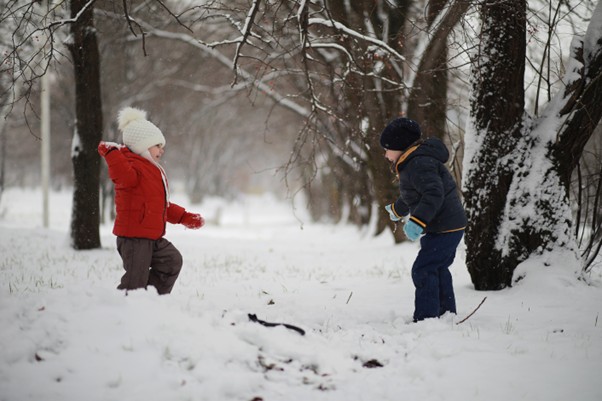

The start of a new year is an exciting time for children, but it can also bring challenges—especially after the holiday season’s excitement has worn off. Returning to school or daycare after a long break requires a shift in routines, habits, and energy levels. Helping your child transition smoothly sets them up for success, confidence, and a positive start to the year.
Why Routines Are Important
Children thrive on structure and predictability. After the holidays, their schedules may be disrupted with late nights, irregular mealtimes, and increased screen time. A clear routine helps children:
- Feel secure and confident.
- Manage expectations and responsibilities.
- Focus better in the classroom or during daycare activities.
- Reduce stress and anxiety associated with transitions.
Routines are the backbone of a successful start to the year—they provide stability for both children and parents.
Steps to Help Your Child Transition Smoothly
1. Gradually Re-establish Sleep Schedules
- Start adjusting bedtime and wake-up times at least a week before returning.
- Maintain consistent sleep routines, including quiet wind-down activities like reading or calming music.
2. Reintroduce Mealtime Routines
- Plan balanced breakfasts, lunches, and snacks to fuel the day.
- Avoid relying heavily on sugary treats or late-night snacking during the holidays.
3. Plan and Organize Mornings
- Lay out clothes, pack backpacks, and prep lunches the night before.
- Create a simple checklist for children to follow, helping them feel independent and responsible.
4. Talk About the Day Ahead
- Preview what your child can expect at school or daycare: activities, new lessons, or friends they’ll see.
- Discuss feelings—acknowledge excitement and nervousness alike.
5. Encourage a Positive Mindset
- Praise effort, cooperation, and independence.
- Share your own positive experiences returning to routine to normalize the transition.
Tips for Emotional Readiness
- Validate Feelings: Children may feel anxious or tired; listen and empathize.
- Role-Play: Practice common scenarios, like saying hello to teachers or classmates, to build confidence.
- Maintain Communication: Keep in touch with teachers or caregivers for updates and guidance.
- Small Wins Matter: Celebrate little achievements, like completing morning routines or following instructions.
Practical Tools for Parents
- Visual Schedules: Use charts or calendars to map out daily routines.
- Checklists: Create morning or after-school checklists for kids to follow.
- Reward Systems: Praise or reward children for following routines to reinforce positive behavior.
- Quiet Transition Time: Allow children a few minutes of calm before leaving home to reduce morning stress.
A smooth transition back to school or daycare after the holidays sets the tone for a successful and happy start to the year. By gradually re-establishing routines, supporting emotional readiness, and using practical tools, parents can help their children feel confident, prepared, and excited for the days ahead.
With consistent routines, positive reinforcement, and thoughtful planning, your child can return to school or daycare ready to learn, explore, and thrive in the new year.
Call your nearest centre now: