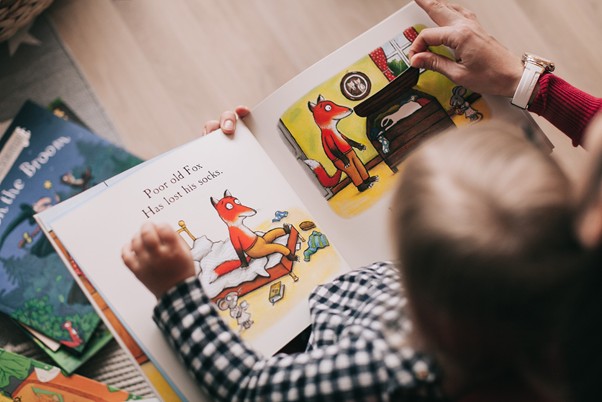

February is a special time to celebrate Black History Month, an opportunity to teach children about the contributions, achievements, and experiences of Black individuals throughout history. It is also a valuable time to foster awareness, empathy, and respect for diversity from a young age.
Introducing these concepts in an age-appropriate manner helps children develop emotional intelligence, cultural understanding, and inclusivity—skills that will benefit them throughout their lives.
Why Teaching About Diversity Matters
- Promotes Respect and Empathy: Children learn to appreciate differences in culture, traditions, and perspectives.
- Builds Awareness: Understanding history helps children recognize achievements and challenges across communities.
- Encourages Inclusion: Early lessons in diversity foster kindness, cooperation, and fairness.
- Supports Critical Thinking: Children learn to ask questions, explore perspectives, and understand the importance of social justice.
Ways to Teach Kids About Black History Month
1. Read Age-Appropriate Books
- Choose stories that highlight important figures, achievements, and everyday experiences of Black individuals.
- Examples include:
- Hair Love by Matthew A. Cherry
- Mae Among the Stars by Roda Ahmed
- I Am Enough by Grace Byers
2. Discuss Contributions and Achievements
- Highlight scientists, artists, athletes, authors, and community leaders who have made a difference.
- Encourage children to share what inspires them about these stories.
3. Explore Music, Art, and Culture
- Listen to music from Black artists across genres and discuss its impact.
- Introduce children to visual arts, dance, and cultural traditions.
- Encourage children to create their own art inspired by what they learn.
4. Encourage Family and Community Activities
- Visit museums, virtual exhibits, or local events celebrating Black History Month.
- Engage children in cultural crafts or cooking activities.
- Use discussion prompts such as “What does diversity mean to you?” or “How can we celebrate everyone’s differences?”
5. Promote Everyday Inclusion
- Teach children to recognize and celebrate differences in their peers.
- Role-play scenarios to practice kindness, fairness, and problem-solving.
- Encourage curiosity and questions about history, traditions, and experiences.
Tips for Parents
- Keep It Age-Appropriate: Tailor discussions to your child’s level of understanding.
- Use Positive Language: Focus on achievements, contributions, and resilience.
- Model Inclusivity: Demonstrate respect for all cultures and perspectives.
- Celebrate Progress: Highlight both historical milestones and modern achievements.
Black History Month: Activities and Books for Kids
Celebrate Black History Month with fun, educational, and age-appropriate activities that help children learn about diversity, inclusion, and historical contributions.
1. Storytime and Books
For Younger Children (Ages 3–6):
- Hair Love by Matthew A. Cherry – Celebrates family and self-confidence.
- I Am Enough by Grace Byers – Promotes self-esteem and acceptance.
- Lailah’s Lunchbox by ReShonda Tate Billingsley – Highlights kindness and perseverance.
For Elementary Children (Ages 6–10):
- Mae Among the Stars by Roda Ahmed – Inspires children to follow their dreams.
- Crown: An Ode to the Fresh Cut by Derrick Barnes – Celebrates self-expression and pride.
- Little Leaders: Bold Women in Black History by Vashti Harrison – Features inspiring Black women.
For Tweens (Ages 10–12):
- Hidden Figures (Young Readers’ Edition) by Margot Lee Shetterly – Highlights NASA mathematicians.
- Freedom on the Menu by Carole Boston Weatherford – Civil rights history through a child’s lens.
- Heart and Soul by Kadir Nelson – Combines history with powerful artwork.
2. Hands-On Activities
Crafts and Creative Projects:
- Create a collage featuring Black leaders, artists, or athletes.
- Make kente-inspired paper crafts celebrating African heritage.
- Illustrate a favorite scene from a book.
Music and Dance:
- Listen to influential Black musicians and discuss their contributions.
- Try simple dance routines inspired by jazz, hip-hop, or African rhythms.
Community Engagement:
- Attend local or virtual Black History Month events.
- Explore museums with child-friendly exhibits.
- Practice acts of kindness and inclusion with peers.
3. Discussion and Reflection Activities
- Ask children who inspires them and why.
- Discuss how differences enrich communities.
- Encourage writing a letter or thank-you note to a community role model.
4. Tips for Parents and Educators
- Keep discussions age-appropriate and positive.
- Model inclusivity and curiosity.
- Use interactive activities to bring history to life.
- Celebrate achievements locally and historically.
Black History Month is an opportunity to teach children about culture, history, and inclusion in a meaningful and engaging way. Combining books, crafts, music, and discussion helps children develop empathy, curiosity, and respect.
By making learning interactive and enjoyable, parents and educators can inspire children to value diversity, celebrate achievements, and embrace differences—lessons that last a lifetime.
Want to learn more about how Southwest Academies in DeSoto and Lancaster, Texas supports diversity, inclusion, and whole-child development? Contact us today to schedule a tour or speak with our team about enrollment opportunities.